Kawasaki’s Corleo: The Hydrogen-Powered Rideable Robot That Walks, Rolls, and Redefines the Future
In the ever-evolving world of robotics, the competition is no longer just about walking bots or automation — it’s about real-world application, mobility, and sustainability. Enter Corleo, Kawasaki’s hydrogen-powered, rideable quadruped robot that brings together advanced mechanical engineering and clean energy in a way that few robots today can match.
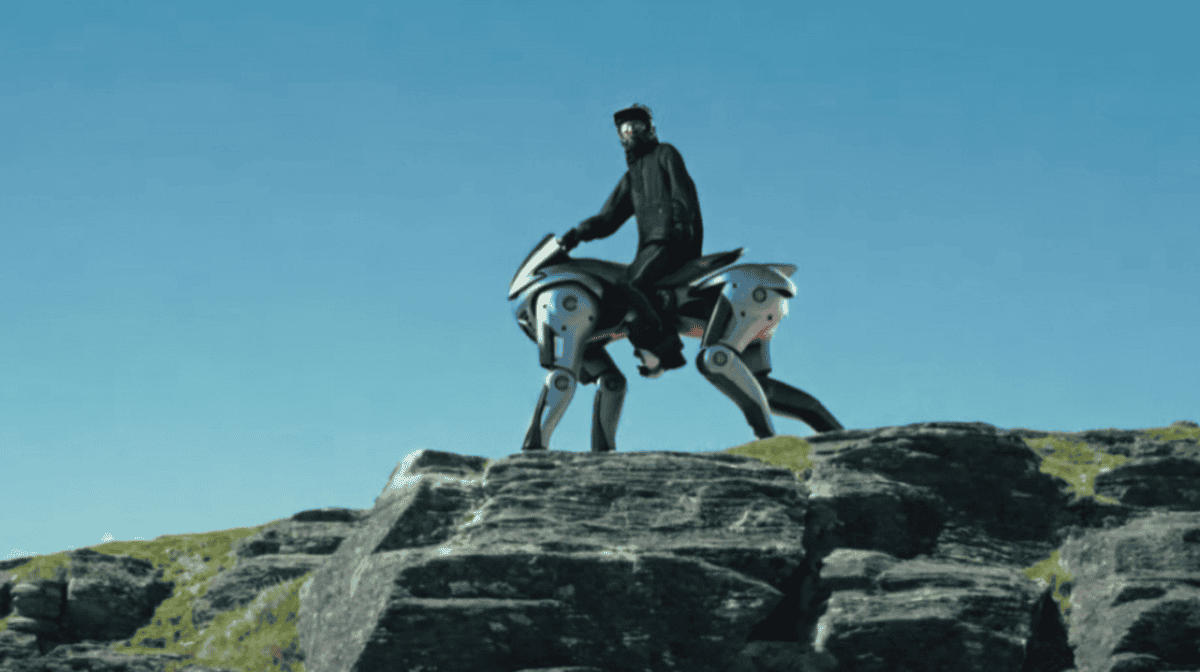
Unveiled as the evolution of Kawasaki’s earlier concept “Bex,” Corleo is not just a robot — it’s a platform for future mobility. With its ability to carry human riders, adapt to difficult terrain, and run on clean hydrogen fuel, Corleo is carving out its own lane in a field dominated by battery-powered, AI-driven machines.
So how does it compare to the likes of Boston Dynamics’ Spot, Tesla’s Optimus, or Hyundai’s Atlas? Let’s break it down.
🔬 What Makes Corleo Unique?
Corleo’s core differentiator is its combination of rideability and clean hydrogen power. Where most robots are designed either for surveillance, logistics, or manufacturing, Corleo blurs the line between transportation and robotics.
Key Features of Corleo:
- Powered by Hydrogen: One of the few robots to use hydrogen fuel cells, allowing for longer operation and zero emissions.
- Rideable Structure: Can carry up to 100 kg (220 lbs) — making it one of the only robots designed for direct human transport.
- Hybrid Locomotion: Uses four mechanical legs for walking and wheels in its knees for rolling — ideal for switching between rough and smooth terrain.
- Biomimetic Design: Inspired by the mountain goat (ibex), it offers natural balance, agility, and a surprisingly animal-like walking motion.
- Manual & Remote Control: Riders can steer Corleo via handlebars, or it can be controlled remotely like a drone.
🆚 How Does Corleo Compare to Other Leading Robots?
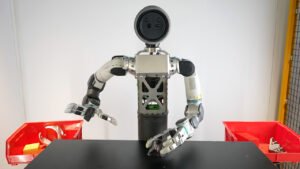
🤖 Boston Dynamics — Spot
- Power Source: Lithium-ion battery
- Purpose: Inspection, data collection, industrial support
- Mobility: 4-legged walking only
- AI Capability: Advanced autonomy, obstacle avoidance
- User Interaction: Remote controlled or pre-programmed
- Not Rideable
Comparison: Spot is more agile, with powerful sensors and autonomy, but it’s not designed to carry humans or run on sustainable energy. Corleo sacrifices some autonomy but gains real-world versatility and rideability.
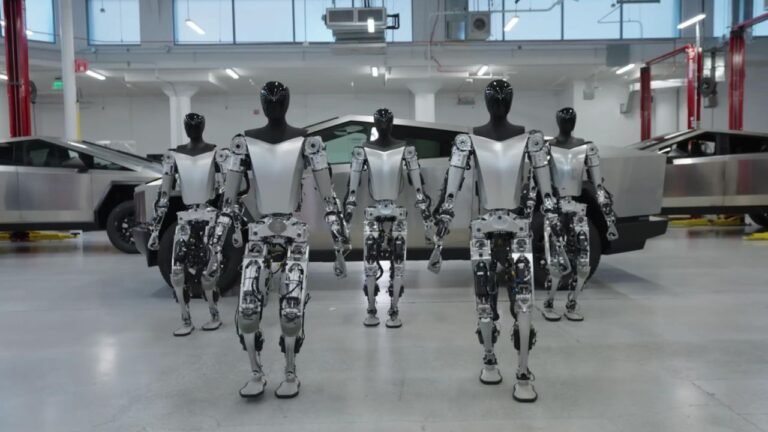
🤖 Tesla — Optimus
- Power Source: Electric battery
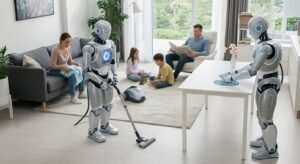
- Purpose: Human-assist tasks, home & factory support
- Mobility: Bipedal walking
- AI Capability: Integrated with Tesla’s AI (FSD-based)
- User Interaction: Voice commands, programmed routines
- Not Rideable
Comparison: Tesla’s Optimus is humanoid, designed to mimic human tasks. It fits well in environments designed for people, but it’s still early-stage and not suited for rough terrain or carrying passengers like Corleo.
🤖 Hyundai — Atlas (formerly Boston Dynamics)
- Power Source: Battery-powered
- Purpose: Agile movement, research & development
- Mobility: Humanoid, capable of flips, jumps, parkour
- AI Capability: Motion planning, dynamic balance
- Not Rideable
Comparison: Atlas is an athletic wonder, capable of incredible feats — but again, it’s not designed for human interaction or practical deployment. Corleo, on the other hand, is built for utility and real-world work in industrial or natural environments.
🌍 Real-World Use Cases: Why Corleo Matters
Corleo isn’t just an experiment. Kawasaki envisions its use in:
- Smart agriculture: Transporting crops and tools across muddy or hilly fields.
- Search and rescue: Carrying equipment or personnel into disaster zones.
- Tourism and experience parks: Offering futuristic ride experiences.
- Logistics and inspection: Navigating large sites with heavy gear.
Its hydrogen fuel system also gives it a major advantage in sustainability — especially in Japan, where hydrogen infrastructure is already growing. This gives Corleo long-term viability in both eco-conscious and off-grid environments.
🧠 What’s Next for Corleo?
Kawasaki has teased a number of enhancements that are currently in the pipeline:
- 🔧 Robotic arms and tool mounts for multifunctional tasks
- 🧭 Autonomous navigation systems using AI and LiDAR
- 🧠 Machine learning to adapt to rider behavior and terrain
- 🧳 Cargo modules for logistics and payload transport
- 🌐 Integration with Kawasaki’s industrial robotics ecosystem
They’re positioning Corleo not just as a showpiece — but as a multi-role robotic platform that can evolve for different industries and use cases.
🤖 Corleo – The 4-Legged Robot Horse with a Price Tag to Match the Tech 🐎💸
In the growing world of robotics, Corleo is making waves as a futuristic, four-legged robot that blends animal-like agility with cutting-edge engineering. Designed to handle challenging terrain and carry significant weight, Corleo is part of a new generation of mobile robots that could revolutionize industries from agriculture to logistics.
💵 Corleo Robot Price – What Does It Cost?
While Corleo is not yet available for mass consumer purchase, pricing estimates put it in the range of $120,000 to $250,000 USD, depending on configuration and optional features.
This places it in line with other advanced quadruped robots like Kawasaki’s Bex or Boston Dynamics’ Spot (which starts around $75,000 but scales with add-ons).
🎥 See It in Action
Want to see this cyber-goat in motion? Watch it walking with a rider, switching to wheels, and gliding across the expo floor in Kawasaki’s official reveal at the 2022 International Robot Exhibition.
📎 News Source: Foxnews.com – Kawasaki unveils rideable robot goat powered by hydrogen
✍️ Final Thoughts
While AI-powered humanoid robots like Optimus or Atlas are pushing boundaries in lab settings, Corleo is built for the dirt — literally. It’s a machine designed to move, to carry, and to work, all while running cleanly on hydrogen.
In the global robotics race, where form often trumps function, Corleo stands out as a functional, futuristic, and sustainable solution — one that’s not just smart, but strong enough to carry us into the next generation of mobility.
Would you invest in a robot like Corleo for your business or research project? Or is this still too futuristic for today’s needs? Drop your thoughts below! 👇