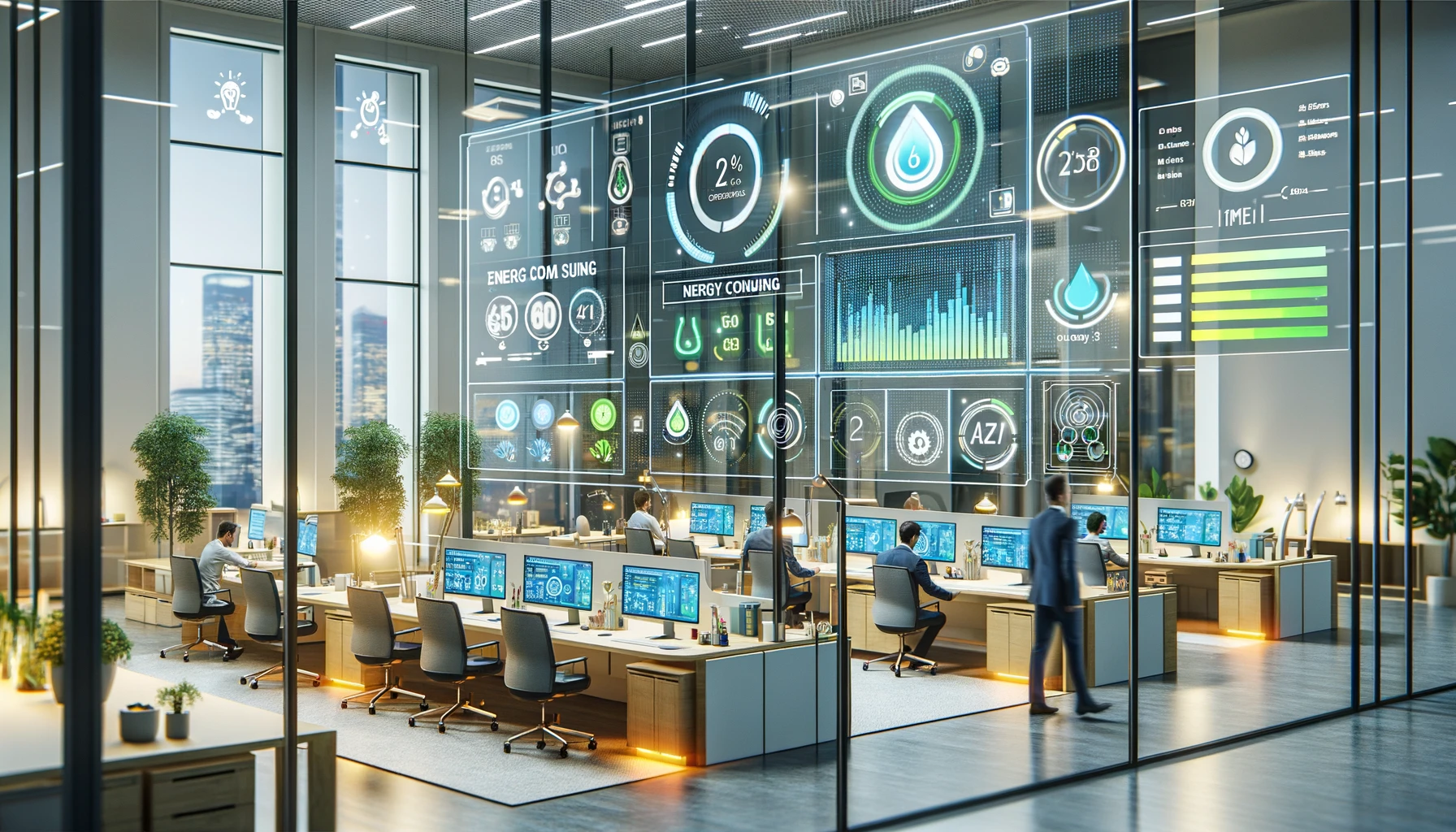
🚀 Bill Gates Predicts a 2-Day Workweek in 10 Years – Could a 5-Day Weekend Be the Future?
Imagine a world where you only work two days a week—while artificial intelligence (AI) handles the rest. Sounds like a dream, right? Well, according to Bill Gates, this future could arrive within the next decade.
The Microsoft co-founder and tech visionary recently predicted that AI will take over “most things humans currently do,” enabling businesses to run with far fewer working hours. This means that rather than working 40+ hours a week, people could soon be working just 16 hours a week—and spending the rest of their time on personal growth, family, and leisure.
But this shift isn’t just about having more free time. A 5-day weekend could also help solve major societal challenges—from declining birth rates to the global burnout crisis.
🔹 How AI Will Make the 2-Day Workweek Possible
The rapid advancement of AI, robotics, and automation is already transforming industries. Gates believes that in just 10 years, these technologies will:
✅ Fully automate repetitive and mundane jobs, reducing the need for human labor.
✅ Make businesses more productive, allowing them to operate efficiently with fewer employees.
✅ Shift economies toward knowledge-based and creative work, as AI takes over routine tasks.
✅ Force governments to rethink financial policies, possibly introducing Universal Basic Income (UBI) to support displaced workers.
✅ Create a new standard workweek, where people only need to work two or three days to earn a full salary.
Think about it—a century ago, most people worked six days a week, and the idea of a 5-day workweek was revolutionary. If technology continues to boost productivity, the 2-day workweek could become the new normal within our lifetime.
🔥 A 5-Day Weekend Could Solve the Burnout & Birth Rate Crisis
1️⃣ Say Goodbye to Burnout & Mental Exhaustion
Modern work culture is pushing people to the limit. Studies show that chronic stress and burnout are on the rise, leading to increased rates of depression, anxiety, and even physical illness. Many people are struggling to find time for their families, hobbies, and personal well-being—but what if they had five days off every week?
🔹 With a 5-day weekend, people could:
✔️ Spend more time with family and friends—improving relationships.
✔️ Prioritize mental and physical health—reducing stress-related illnesses.
✔️ Pursue passions, hobbies, and creative projects—fostering innovation.
✔️ Enjoy lifelong learning—leading to a more educated and fulfilled society.
Instead of sacrificing well-being for work, people could finally enjoy a balanced life where work supports happiness—rather than dominating it.
2️⃣ Boosting Birth Rates & Strengthening Family Life
Many developed countries, including Japan, South Korea, and much of Europe, are experiencing record-low birth rates. Why? Because people simply don’t have the time or financial security to raise children.
A shorter workweek could completely change that dynamic. If AI allows people to work just two days a week while still earning a full income, it would:
👨👩👧👦 Encourage family formation—as people feel financially and emotionally ready to have children.
🏡 Create a better work-life balance—so parents can spend more time with their kids.
💰 Reduce financial stress—since AI-driven productivity would sustain wages while cutting work hours.
💖 Improve child well-being—as children receive more attention and care from their parents.
Instead of postponing or avoiding parenthood, more people might feel confident in starting families, reversing the global decline in birth rates.
🌍 How Society Will Change in a 2-Day Workweek Era
If Bill Gates is right, this AI-driven shift could lead to a completely new way of life:
🔹 The rise of “AI-powered workforces” – Humans focus on creative, strategic, and interpersonal tasks while AI handles repetitive labor.
🔹 A new era of leisure and creativity – With five free days per week, people can pursue art, travel, or entrepreneurship like never before.
🔹 Redefining economic policies – Governments may need to introduce Universal Basic Income (UBI) or new tax systems to support a workforce that works less but earns the same.
🔹 More happiness, better health, and stronger communities – With less stress and more free time, people can live more fulfilling lives.
But of course, there are challenges. If AI displaces millions of jobs, how will societies transition smoothly? Will businesses resist this shift, or will they embrace it? And how will governments ensure that people still earn a livable income in an AI-dominated world?
📢 What Do You Think? Is a 2-Day Workweek Realistic?
A 5-day weekend sounds incredible—but is it practical? Do you think AI will truly free humanity from long work hours, or will economic and political factors slow down this shift?
Let’s discuss in the comments! Would you welcome a 2-day workweek, or do you see challenges ahead?
🔗 Read more about Bill Gates’ AI predictions:
Business Insider: Bill Gates says AI could lead to a 2-day workweek