Bill Gates: We will have AI Doctor & Teacher Within 10 Years—Humans ‘Won’t Be Needed’ for Most Jobs
By [SunflowerStella] | March 27, 2025
AI’s Acceleration: The End of Human-Dominated Work?
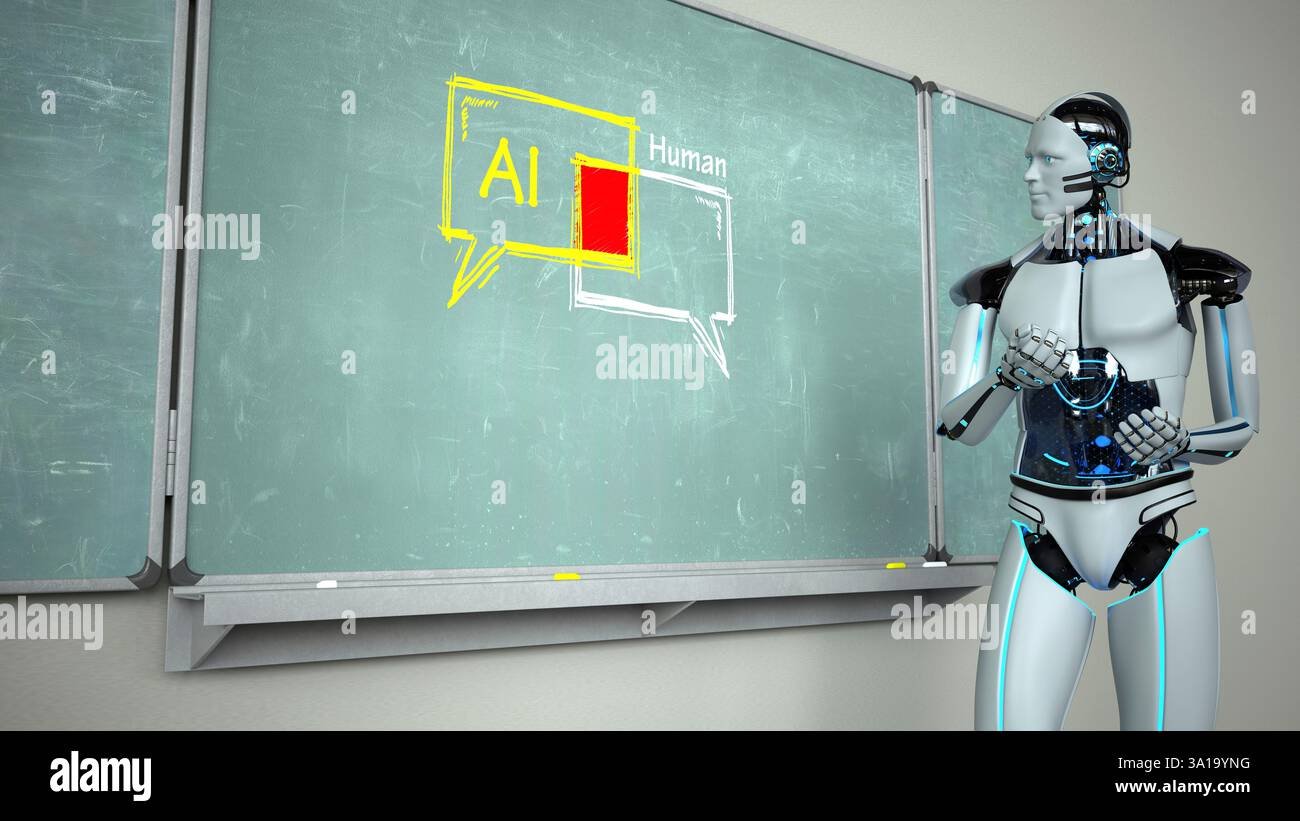
Tech visionary and Microsoft co-founder Bill Gates has made a bold prediction that has sparked both excitement and concern: within the next decade, artificial intelligence (AI) will replace many human workers, including doctors and teachers. In a recent interview, Gates claimed that AI’s rapid progress will make human labor unnecessary in many fields, fundamentally reshaping the global workforce.
“AI will be able to teach better than any human teacher and diagnose diseases more accurately than doctors,” Gates stated. “In most industries, AI will handle tasks more efficiently than humans, making traditional employment unnecessary in many cases.”
His statement aligns with the growing influence of AI-powered tools in various industries. Companies like OpenAI, Google DeepMind, and IBM Watson are developing AI systems that surpass human abilities in specific tasks, from diagnosing medical conditions to grading student essays.
But how realistic is Gates’ prediction? Could AI truly replace professionals in fields like medicine and education within just 10 years? And which jobs are most at risk?
The Jobs AI Will Replace in the Next 10 Years
While AI has already started transforming many industries, some professions are at much higher risk than others. Experts predict that automation will eliminate millions of jobs across multiple sectors, particularly those involving repetitive or data-driven tasks.
1. Healthcare (Doctors, Nurses, Radiologists, and Pharmacists)
AI-powered medical technology is evolving rapidly. Systems like Google’s DeepMind Health and IBM Watson can already diagnose diseases such as cancer and heart conditions more accurately than human doctors. AI chatbots, such as Babylon Health, are handling initial consultations, reducing the need for general practitioners.
- Radiologists & Pathologists: AI can analyze X-rays, MRIs, and CT scans faster and with greater accuracy than humans.
- Pharmacists: Automated drug dispensing machines and AI-driven prescription analysis tools are replacing traditional pharmacy roles.
- Primary Care Physicians: AI-based virtual doctors are expected to handle routine medical inquiries, prescriptions, and diagnoses.
Despite these advancements, human doctors will still be needed for complex procedures, surgeries, and emotional support for patients.
2. Education (Teachers, Tutors, and Professors)
With the rise of AI-powered education platforms, traditional classroom teaching is becoming less necessary. Personalized AI tutors, such as Khan Academy’s AI tutor and Google’s Socratic, can now tailor lessons to individual student needs, often outperforming human teachers in certain areas.
- K-12 Teachers: AI-based teaching assistants are expected to reduce the need for traditional classroom educators.
- College Professors: AI can already generate lectures, grade assignments, and even conduct virtual discussions.
- Private Tutors: AI-driven learning apps, such as Duolingo and Squirrel AI, are providing instant, customized education without human intervention.
However, subjects that require hands-on learning and human interaction, such as art, physical education, and psychology, may still require human instructors.
3. Customer Service (Call Center Agents, Support Staff)
The customer service industry has already seen massive AI-driven disruption. AI chatbots like ChatGPT, Google Bard, and IBM Watson Assistant are replacing human agents, offering instant, 24/7 support.
- Call Center Employees: AI-powered voice assistants handle routine customer inquiries, significantly reducing the need for human workers.
- Retail & Online Support Staff: Companies like Amazon and Walmart use AI-driven chatbots to handle customer complaints and order tracking.
By 2035, analysts predict that 80% of customer service jobs could be fully automated.
4. Transportation (Truck Drivers, Taxi & Delivery Workers)
Autonomous vehicle technology is advancing rapidly, with companies like Tesla, Waymo, and Uber already testing self-driving trucks and taxis.
- Truck Drivers: AI-powered logistics systems are improving fuel efficiency and route planning, reducing the need for human drivers.
- Taxi & Rideshare Drivers: Autonomous taxis are expected to become common in urban areas, eliminating millions of driving jobs.
- Delivery Workers: AI-driven drones and robotic delivery services, such as Amazon’s Prime Air, are already delivering packages without human intervention.
While regulatory challenges still exist, AI-powered transportation is expected to replace millions of driving jobs by 2035.
5. Legal Industry (Paralegals, Legal Assistants, and Even Some Lawyers)
AI legal assistants are capable of analyzing contracts, conducting legal research, and even drafting legal documents. Tools like DoNotPay, an AI-powered “robot lawyer,” are already helping users fight traffic tickets and draft legal letters.
- Paralegals & Legal Assistants: AI can analyze case law and draft contracts faster than humans.
- Corporate Lawyers: Some routine legal work, such as contract reviews and compliance checks, can now be handled by AI.
However, high-stakes legal battles and courtroom advocacy will likely still require human expertise.
Jobs That AI Won’t Replace (Yet)
Despite AI’s rapid progress, certain professions remain relatively safe—at least for now.
✔️ Creative Fields (Artists, Writers, Designers) – AI can generate art and text, but human creativity and storytelling remain highly valuable.
✔️ Skilled Trades (Electricians, Plumbers, Carpenters) – Hands-on work requiring physical presence and problem-solving is difficult to automate.
✔️ Mental Health Professionals (Therapists, Counselors) – AI can assist in therapy, but human empathy is irreplaceable.
✔️ AI Developers & Engineers – Ironically, AI will always need humans to build, improve, and maintain it.
The Bigger Question: Will Humans Be Needed At All?
Bill Gates’ prediction raises a bigger concern—if AI replaces most human jobs, what role will humans have in society?
Experts suggest that governments will need to consider universal basic income (UBI) as millions of jobs disappear. Others argue that humans will transition to new industries that don’t exist yet, similar to how the internet created jobs that were unimaginable a few decades ago.
While AI is set to revolutionize nearly every industry, one thing is clear: the workforce of 2035 will look vastly different from today.
What do you think? Will AI replace your job, or will humans always find a way to adapt? Let us know in the comments!